
How to Transfer License Plates
in North Carolina: A Comprehensive Guide
Navigating the process of transferring license plates in North Carolina after acquiring a new or used vehicle can seem complex, but understanding the steps makes it straightforward. Whether you are trading in your old car for a new one from our extensive used inventory or simply registering a different vehicle, knowing how to properly transfer your existing North Carolina license plate is a vital part of responsible vehicle ownership. This guide is designed to provide clear, actionable information, helping you move your current plate to your recently acquired vehicle without unnecessary delays or complications. Our goal is to make your transition into a different vehicle as smooth as possible, from selecting your next ride to handling the necessary state administrative requirements.
Beyond helping you find the perfect vehicle, our commitment extends to supporting you through every aspect of vehicle ownership. We understand that administrative tasks like transferring your license plate are an essential part of the journey. Our team is always ready to point you toward the right resources and assist with common questions related to registration, financing options, and even routine vehicle maintenance. We aim to be your trusted partner, ensuring you feel confident and informed long after you drive away in your new-to-you car, truck, or SUV.
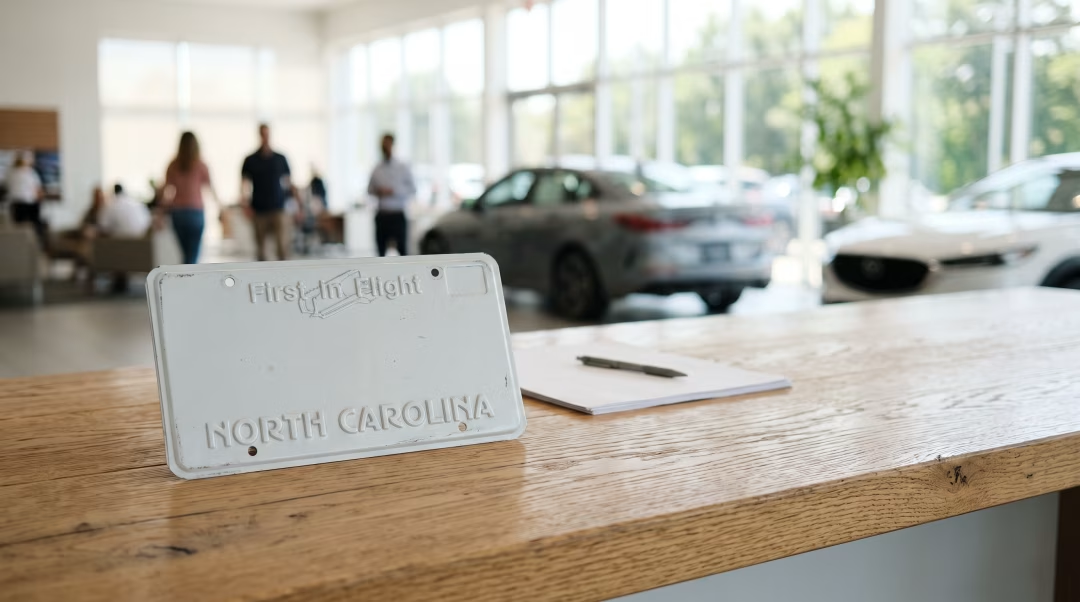
When you purchase a new or used vehicle in North Carolina, one of the crucial steps in legalizing your ownership and operation is properly transferring your license plate. Unlike some states where plates stay with the vehicle, in North Carolina, license plates generally belong to the owner and can be transferred from a previously owned vehicle to a newly acquired one. This process helps avoid additional fees for new plates and keeps your registration continuous. Understanding the "how-to" of transferring license plates in North Carolina is key to a smooth post-purchase experience.
Understanding North Carolina License Plate Transfers
In North Carolina, when you sell, trade, or otherwise dispose of a vehicle, you typically retain possession of its license plate. This plate can then be transferred to another vehicle you own, provided it meets certain criteria. The North Carolina Division of Motor Vehicles (NCDMV) oversees this process, and there are specific rules and documentation requirements that must be followed. The primary goal of a plate transfer is to maintain active registration and insurance coverage on your new vehicle using an existing plate, which can often save you time and money compared to obtaining a brand-new plate.
It is important to remember that a license plate transfer is distinct from a car title transfer. The title establishes legal ownership of the vehicle, while the license plate and registration allow you to legally operate it on public roads. Both processes are essential when buying a vehicle and should be completed promptly.
When to Transfer Your License Plate in NC
The most common scenario for an NC license plate transfer is when you acquire a new vehicle after selling or trading in an old one. North Carolina law generally allows a 30-day grace period from the date of purchase to transfer your plate and title. During this period, you can operate your new vehicle using the license plate from your previous vehicle, provided you carry proof of ownership (like a bill of sale or title) and insurance for the new vehicle.
It is highly advisable to initiate the transfer as soon as possible within this 30-day window. Delays can result in penalties or even the inability to legally drive your vehicle. Our dealership often assists customers with understanding these timelines and can offer guidance on the next steps after purchasing one of our quality used cars in Winston-Salem, NC.
Essential Documents for an NC Plate Transfer
Gathering the correct documents beforehand is crucial for a smooth license plate transfer. Missing paperwork can lead to frustrating delays. Here is a list of typically required items:
- **North Carolina Certificate of Title:** This proves ownership of the vehicle you are transferring the plate *to*. If the title is not yet in your name, you will need the properly assigned title from the seller.
- **Valid NC Driver's License or ID:** For identification purposes.
- **Proof of North Carolina Vehicle Insurance:** You must have continuous liability insurance coverage on the vehicle to which the plate is being transferred. The insurance policy must be in the name of the registered owner(s).
- **Vehicle Inspection Report:** For most vehicles 1996 model year and newer, a valid safety and/or emissions inspection certificate is required. This inspection must be performed within 90 days of the registration transaction. You can learn more about NC vehicle inspection requirements here.
- **Existing NC License Plate:** The physical plate you intend to transfer.
- **Odometer Disclosure Statement:** Often included on the title, this confirms the vehicle's mileage at the time of sale.
- **Lien Release (if applicable):** If there was a lien on the vehicle from which the plate originated, ensure it is properly released if the vehicle was sold.
- **Proof of Sales Tax Payment (or Highway Use Tax):** When you purchase a vehicle in NC, you will pay the Highway Use Tax, typically at the time of title transfer.
Always double-check the current NCDMV requirements, as they can sometimes change. You can visit a local DMV office or their official website for the most up-to-date information.
Step-by-Step Guide to Transferring NC License Plates
Once you have all your documents in order, the actual process of transferring car tags in NC is quite systematic:
- **Step 1: Get Your Vehicle Inspected (if needed).** Before heading to the NCDMV, ensure your new vehicle has passed its required safety and/or emissions inspection. This is a mandatory prerequisite for registration.
- **Step 2: Gather All Required Documents.** As listed above, prepare your title, ID, insurance proof, inspection report, and the physical license plate.
- **Step 3: Visit an NCDMV License Plate Agency.** You will need to complete this transaction in person at a local NCDMV office or authorized license plate agency.
- **Step 4: Present Your Documents.** Provide all your gathered paperwork to the NCDMV agent. They will review everything to ensure it meets state requirements.
- **Step 5: Pay Applicable Fees and Taxes.** You will pay a plate transfer fee, potentially a registration fee (if your previous registration had expired or was for a different class of vehicle), and any remaining Highway Use Tax not collected at the time of title transfer.
- **Step 6: Receive Your Updated Registration Card.** Once the transfer is complete, the NCDMV will issue you a new registration card showing your existing license plate number assigned to your newly acquired vehicle. This card should be kept in your vehicle at all times.
For those buying a vehicle from a dealership, much of the initial paperwork for the title and taxes is often handled for you, streamlining the process. However, the plate transfer itself is usually a task for the individual vehicle owner to complete at the NCDMV.
North Carolina License Plate Transfer Fees and Taxes
When transferring an NC license plate, you will encounter certain fees and taxes. These can vary based on the specifics of your situation:
- **Plate Transfer Fee:** There is a standard fee for transferring a license plate from one vehicle to another.
- **Registration Fee:** If your previous vehicle's registration was nearing expiration or if the new vehicle falls into a different classification (e.g., car to truck), you might need to pay a new registration fee or renew the existing registration.
- **Highway Use Tax (HUT):** This tax is essentially North Carolina's version of sales tax on vehicle purchases. It is paid when the title is transferred. While not directly a "plate transfer" fee, it is part of the overall cost of acquiring and registering a vehicle. You can read more about the Highway Use Tax explained on our site.
- **Late Fees:** If you fail to complete the plate transfer and title registration within the 30-day window, you may be subject to late fees.
It is always wise to inquire about the exact fees at the NCDMV office or consult their official fee schedule to prepare your budget accordingly. Most offices accept various forms of payment, including cash, check, or credit/debit cards.
Special Considerations for Your NC Plate Transfer
While the general process is consistent, a few situations might require extra attention:
- **No Old Plate to Transfer:** If you do not have an existing plate to transfer (e.g., this is your first vehicle, or your old plate was surrendered), you will simply apply for a new license plate. The process for initial registration is similar but does not involve the "transfer" aspect of an existing plate.
- **Leased Vehicles:** If you are leasing a vehicle, the dealership typically handles all registration and titling on your behalf, and the plates usually stay with the vehicle rather than being transferred by the individual.
- **Heavy Vehicles or Specialty Plates:** Commercial vehicles, motorcycles, or vehicles requiring specialty plates may have additional requirements or different fee structures. Always verify with the NCDMV if your vehicle falls into one of these categories.
- **Out-of-State Purchases:** If you are buying a used car from out of state and plan to register it in NC, the process will involve a new registration rather than a plate transfer from an NC plate. However, if you have an NC plate from a vehicle you previously owned in North Carolina, you might still be able to transfer it to your out-of-state purchase once it's titled in NC.
Common Pitfalls to Avoid During Your NC Plate Transfer
To ensure a smooth experience when transferring vehicle tags in NC, be aware of these common issues:
- **Expired Inspection:** A failed or expired vehicle inspection will halt your registration process. Get it done before you go to the NCDMV.
- **Lapses in Insurance:** North Carolina requires continuous liability insurance. Any lapse can lead to significant penalties, even if you quickly get new coverage.
- **Incomplete Title:** Ensure the title is properly signed over to you by the seller, with all fields correctly filled out.
- **Outstanding Property Tax:** Before you can renew or transfer a registration, any vehicle property taxes owed on *any* vehicle registered in your name must be paid.
- **Waiting Too Long:** Missing the 30-day window can incur penalties and make the process more difficult.
Why Choose Our Dealership for Your Next Vehicle?
At our dealership, located conveniently for residents across the Piedmont Triad including Winston-Salem, Greensboro, and High Point, we strive to simplify your entire car-buying journey. From our expansive selection of reliable used cars, trucks, and SUVs to our transparent financing options, we are here to support you. We understand the nuances of vehicle registration in North Carolina and are happy to offer guidance on your next steps after you purchase a vehicle from us. We believe in building lasting relationships with our customers, offering advice even on administrative tasks like North Carolina DMV license plate transfers.
Whether you're looking for a dependable sedan, a robust truck, or a family-friendly SUV, browse our inventory online or stop by one of our locations. We offer tools like value my trade and get pre-qualified to help you get started. If you have questions about specific vehicles or the buying process, do not hesitate to contact us. Our friendly and knowledgeable staff is ready to assist you.
Helpful Resources
For more detailed information, consider exploring these related pages on our website:
Frequently Asked Questions
What is the deadline for transferring my license plate in North Carolina?
North Carolina law provides a 30-day window from the date you acquire your new vehicle to transfer your existing license plate and register the vehicle. It is advisable to complete this process as soon as possible to avoid potential late fees or legal issues.
Can I transfer a license plate from my old car to a new car if they are different types (e.g., sedan to SUV)?
Yes, in most cases, you can transfer your North Carolina license plate to a different type of vehicle, even if it changes vehicle classification (e.g., a car to a truck or SUV). However, there may be an adjustment in registration fees if the new vehicle's classification carries a different annual fee.
What if I do not have an old license plate to transfer?
If you do not have an existing North Carolina license plate to transfer (for instance, if this is your first vehicle purchase or your previous plate was surrendered), you will simply apply for a new license plate and registration for your vehicle at the NCDMV. The required documents will be similar, but without the old plate for transfer.
Is a vehicle inspection required before I can transfer my license plate?
Yes, for most vehicles 1996 model year and newer, a valid North Carolina safety and/or emissions inspection is required before you can complete the registration and plate transfer. This inspection must have been performed within 90 days of your registration transaction date.
What fees are involved in transferring a license plate in NC?
When transferring a license plate in North Carolina, you typically pay a plate transfer fee. Additionally, you will pay the Highway Use Tax when the vehicle's title is transferred into your name, and there might be registration fees, especially if your previous registration was close to expiring or the vehicle class changed. Always check with the NCDMV for current fees.
Do I need proof of insurance to transfer my license plate?
Absolutely. North Carolina law mandates continuous liability insurance coverage on any vehicle registered in the state. You must present valid proof of insurance for the vehicle to which you are transferring the plate to complete the transaction at the NCDMV.
