
Understanding North Carolina
Vehicle Safety Inspection Requirements
Navigating the annual North Carolina vehicle safety inspection is a key part of responsible car ownership in the state. This mandatory checkup is designed to make sure that every vehicle on the road meets minimum safety standards, protecting you, your passengers, and other drivers. Whether you are registering a car for the first time after moving here, renewing your annual registration, or considering the purchase of a pre-owned vehicle, understanding these requirements is essential. At our dealership, we take these regulations seriously. Every vehicle in our used inventory undergoes a thorough evaluation to confirm it is ready to pass the state inspection, providing you with confidence and peace of mind from the moment you drive off the lot. We believe an informed customer is a happy customer, and we are here to clarify what the NC inspection entails and how it impacts you.
Peace of mind is standard with every vehicle we sell. Our commitment to safety means we are not just selling cars; we are providing reliable transportation for you and your family. If your current vehicle is due for its annual check-up or has failed an inspection elsewhere, our skilled technicians are here to help. You can easily schedule service at our state-of-the-art facility where we can diagnose any issues and perform the necessary repairs to bring your vehicle into compliance with all North Carolina safety standards.
A Detailed Guide to the NC Vehicle Inspection
The North Carolina vehicle inspection program is a two-part system designed to keep our roads safe and our air cleaner. It consists of a safety inspection and, in certain counties, an emissions inspection. This annual requirement is linked directly to your vehicle's registration renewal with the NCDMV. You cannot renew your vehicle's registration and receive your new license plate sticker without first passing the necessary inspection(s). Understanding the specifics of what is checked can help you prepare your vehicle ahead of time and avoid the inconvenience of a failed test.
This process is more than just a formality; it is a critical safety measure. By identifying potential issues before they become major problems, the inspection helps prevent mechanical failures that could lead to accidents. For anyone looking at used cars in Winston Salem, NC, knowing that a vehicle can pass this test is a fundamental indicator of its condition and roadworthiness. Our team is well-versed in these requirements and can answer any questions you may have about a specific vehicle's inspection history or status.
The Comprehensive Safety Inspection Checklist
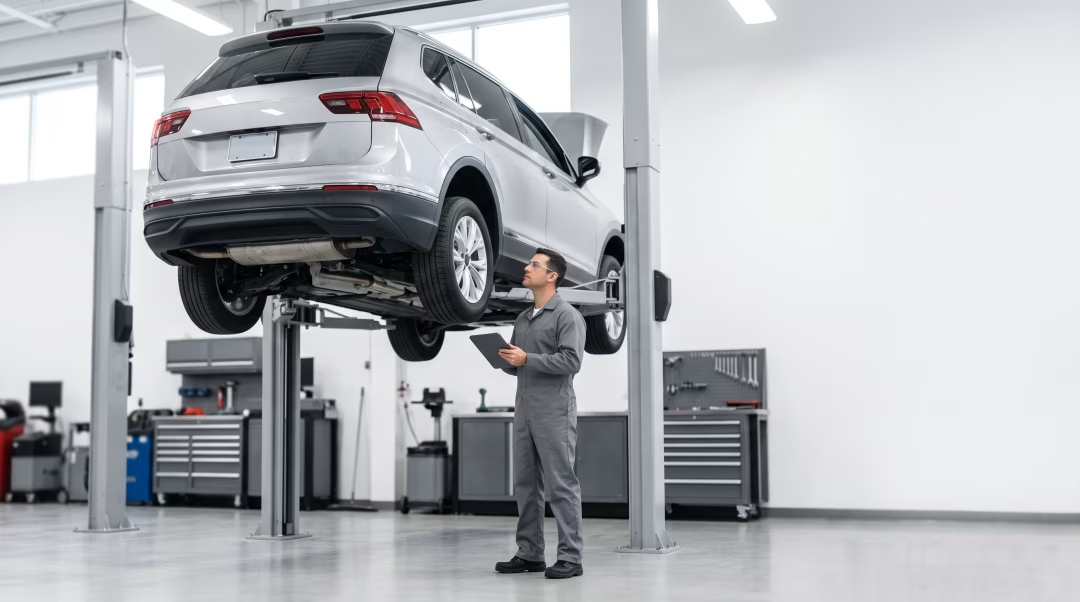
During the safety portion of the inspection, a licensed technician will examine several key systems on your vehicle. The goal is to ensure all essential components are functioning correctly. This is a hands-on review where the mechanic will physically test and visually inspect each item on the official checklist. Here is a breakdown of the primary components that are evaluated:
- Brakes: The inspector will check the foot brake and parking brake for proper operation. They assess stopping power, look for even application, and inspect for any visible wear or damage to brake components that might compromise performance.
- Lights: All exterior lights are tested. This includes headlights (high and low beams), tail lights, brake lights, turn signals, and the license plate light. The inspector will check for functionality, proper color, and any cracked or broken lenses.
- Steering and Suspension: The steering mechanism is checked for excessive play or looseness. The suspension system is examined to ensure components are intact and functioning correctly, which is vital for vehicle stability and control.
- Tires: Tires are inspected for adequate tread depth (must be at least 2/32 of an inch) and any visible signs of damage, such as cuts, bulges, or exposed belts.
- Horn: The horn must be in good working order and audible from a reasonable distance.
- Windshield Wipers: The wipers and washer system must function properly to clear the windshield effectively. Worn or torn wiper blades will result in a failure.
- Mirrors: All required rearview mirrors must be in place and provide a clear view. Cracks or damage that obstruct the driver's vision are not permitted.
- Window Tint: North Carolina has specific regulations regarding window tint. The tint on windows to the side and rear of the driver will be measured to ensure it allows at least 35% of light to pass through.
If you have concerns about your current vehicle's ability to pass, our used car service center in Winston Salem can perform a pre-inspection check to identify any potential issues.
NC Emissions Inspections: What You Need to Know
In addition to the safety inspection, vehicles registered in 22 specific North Carolina counties are also required to pass an emissions inspection. Forsyth County, where our dealership is located, is one of these counties. The emissions inspection is conducted using the vehicle’s On-Board Diagnostics (OBDII) system. This is standard on most gasoline-powered vehicles with a model year of 1996 or newer. The technician connects a scanner to your vehicle's OBDII port to read data from the engine's computer. The system checks for any diagnostic trouble codes (DTCs) and ensures the emissions control systems are functioning as designed. An illuminated "Check Engine" light is an automatic failure for the emissions test.
If you are looking at used SUVs near Greensboro NC or used trucks near High Point NC, both of which are in counties requiring emissions testing, it is important to confirm the vehicle is compliant. At our dealership, we make sure every applicable vehicle in our inventory is ready to pass both the safety and emissions portions of the inspection.
Inspection Exemptions and Special Cases
Not every vehicle in North Carolina is subject to the same inspection rules. There are several key exemptions. For the safety inspection, vehicles that are 35 years old or older are exempt. For the emissions inspection, there are more varied exemptions:
- Vehicles with a model year of 1995 or older.
- Diesel-operated vehicles.
- Vehicles registered as farm vehicles.
- Brand new vehicles are exempt from the emissions inspection for the first three years, provided they have fewer than 70,000 miles.
It is important to check the specific rules as they apply to your vehicle's age, type, and the county in which it is registered. If you are uncertain, you can always contact us for clarification.
What to Do if Your Vehicle Fails the Inspection
Failing an inspection can be frustrating, but it is not the end of the road. When a vehicle fails, the inspector will provide you with a detailed report explaining the reasons for the failure. You then have a period to get the necessary repairs made. If you have the repairs completed at the same station that performed the initial inspection, you are typically entitled to one free re-inspection within a specified timeframe. If the failure was due to an emissions issue, you may have options for a waiver if the repair costs exceed a certain amount, but this involves specific documentation and procedures. Our auto repair service in Winston Salem is equipped to handle all types of inspection-related repairs, from brake repair to check engine light diagnosis.
Frequently Asked Questions About NC Vehicle Inspections
How old does a car have to be to be exempt from inspection in North Carolina?
In North Carolina, vehicles that are 35 years old or older are exempt from the annual safety inspection. However, for the emissions inspection, which is required in 22 counties, vehicles with a model year of 1995 or older are exempt. This means a 1994 vehicle would not need an emissions test but would still require a safety inspection until it becomes 35 years old.
What happens if my check engine light is on during the inspection?
If your vehicle is registered in one of the 22 counties that require an emissions test, an illuminated check engine light will cause an automatic failure of the emissions portion of the inspection. The light indicates a potential problem with the engine or emissions control system that must be diagnosed and repaired before the vehicle can be re-inspected and pass.
Can I renew my vehicle registration without a passed inspection?
No, you cannot renew your vehicle's registration with the NCDMV until it has successfully passed the required safety and, if applicable, emissions inspections. The results of the inspection are electronically sent to the DMV. Once the passed inspection is in their system, you will be able to proceed with your registration renewal online, by mail, or in person.
How long is a North Carolina vehicle inspection valid?
A passed North Carolina vehicle inspection is valid for 90 days. You must renew your vehicle's registration within this 90-day window. If you wait longer than 90 days after your inspection, you will need to have the vehicle inspected again before the DMV will allow you to renew the registration.
Do I need to get an inspection if I buy a used car from a dealership?
When you purchase a vehicle from a licensed North Carolina dealer like us, we handle the initial title and registration paperwork. The vehicle will have a fresh inspection performed as part of our reconditioning process, so you will not need to worry about getting it inspected yourself immediately after purchase. The inspection will be valid for one year, until your first registration renewal is due.
