
Navigating the North Carolina
Minimum Car Insurance Requirements
Finding the perfect pre-owned vehicle is an exciting step, but before you can legally drive it off the lot and onto the beautiful roads of North Carolina, there is a crucial requirement you must meet: auto insurance. In the Tar Heel State, carrying car insurance is not just a recommendation for financial protection, it is a legal mandate for every registered vehicle. Understanding the specific state minimums can feel complex, but it is an essential part of responsible car ownership. This guide is designed to clarify North Carolina's minimum car insurance requirements, breaking down exactly what type of coverage you need. We will explore the mandatory liability limits, explain the role of uninsured motorist coverage, and help you understand how to stay compliant with state law so you can drive your new-to-you car with confidence and peace of mind.
Meeting the state's minimum insurance requirements is the foundational step to getting on the road legally. While this baseline coverage protects other drivers, it is important to consider if it provides enough protection for your own vehicle and financial well-being, especially if you are financing your purchase. Now that you have a clearer picture of your insurance obligations, you can take the next exciting step in your automotive journey. Feel free to explore our extensive used inventory or learn more about our flexible payment options.
A Deep Dive into North Carolina's Auto Insurance Laws
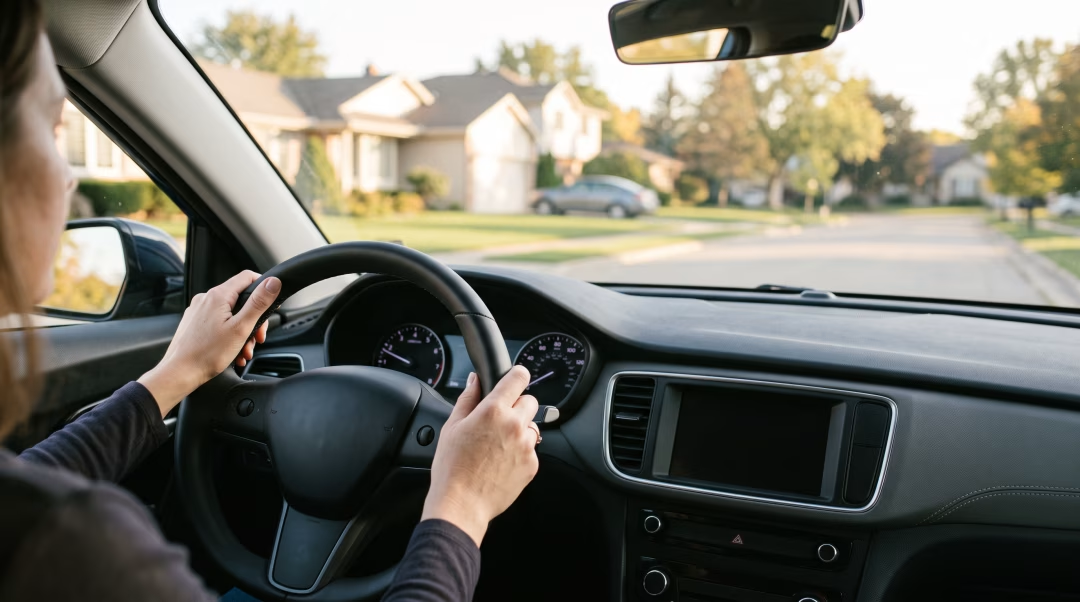
Navigating the roads in North Carolina requires more than just a valid driver's license and a registered vehicle; it demands continuous liability insurance coverage. The state enforces these rules strictly to protect all motorists. If you own a vehicle with a valid North Carolina license plate, you must maintain coverage, and your insurance company is required to notify the N.C. Division of Motor Vehicles (DMV) if your policy lapses for any reason. Failing to comply can lead to significant penalties, including fines and the suspension of your vehicle's registration. Understanding these non-negotiable rules is the first step toward responsible and legal driving in the state.
Breaking Down North Carolina's "30/60/25" Liability Rule
The core of North Carolina's minimum insurance requirement is its liability coverage, often referred to as the "30/60/25" rule. This type of insurance does not cover your own injuries or vehicle damage in an at-fault accident; instead, it covers the costs associated with injuries and property damage you cause to others. Let's look at what each number represents:
- $30,000 Bodily Injury Liability (BI) per person: This is the maximum amount your insurance will pay for injuries to a single person in an accident where you are at fault.
- $60,000 Bodily Injury Liability (BI) per accident: This is the total maximum amount your policy will pay for all injuries to other people in a single accident you cause, regardless of how many individuals are hurt.
- $25,000 Property Damage Liability (PD) per accident: This is the maximum amount your insurance will pay for damage to another person's property, such as their vehicle, fences, or buildings, in an at-fault accident.
The Mandate for Uninsured/Underinsured Motorist (UM/UIM) Coverage
In addition to liability insurance, North Carolina law also requires drivers to carry Uninsured/Underinsured Motorist (UM/UIM) coverage. This vital protection steps in when you are involved in an accident caused by a driver who either has no insurance at all (uninsured) or does not have enough insurance to cover your medical bills (underinsured). The minimum required limits for UM/UIM coverage must match the minimum liability limits of 30/60/25. This coverage is for your benefit, helping to pay for your and your passengers' injuries and, in some cases, damage to your vehicle caused by an uninsured or underinsured driver.
Why the State Minimum Might Not Be Enough Protection
While meeting the 30/60/25 requirement keeps you legal, it may not be sufficient to fully protect you financially in a serious accident. Modern vehicle repair costs and medical expenses can quickly exceed these minimum limits. If the damages you cause are greater than your policy's limits, you could be held personally responsible for the remaining balance, potentially putting your assets and savings at risk. For this reason, many drivers and financial advisors recommend purchasing higher liability limits. Furthermore, the state minimums offer no coverage for damage to your own vehicle. To protect your investment, you should strongly consider additional coverages:
- Collision Coverage: Pays to repair or replace your vehicle after a collision with another object or car, regardless of who is at fault.
- Comprehensive Coverage: Covers damage to your car from non-collision events, such as theft, vandalism, fire, hail, or hitting an animal.
- Medical Payments (MedPay): Helps cover medical and funeral expenses for you and your passengers after an accident, no matter who is at fault.
Insurance Requirements When Financing a Vehicle
If you plan on financing your vehicle, your lender will have its own set of insurance requirements that go beyond the state minimum. Because the vehicle serves as collateral for the loan, the financial institution needs to protect its investment. Lenders almost universally require borrowers to maintain both Collision and Comprehensive coverage, often referred to as "full coverage," for the life of the loan. This ensures that if the car is damaged or totaled, there are funds available to repair it or pay off the outstanding loan balance. Before you can drive your newly purchased vehicle home, you will need to provide proof of this higher level of coverage to the dealership and the lender. You can begin exploring your financing possibilities by filling out our online car loan application.
Consequences of Driving Without Insurance in North Carolina
The state of North Carolina takes its insurance laws very seriously, and the penalties for driving without the required minimum coverage are severe. If you are caught operating a vehicle without insurance, you can face civil penalties, including fines that increase with each offense. Your license plate can be revoked for 30 days or until you show proof of new insurance. To get your registration reinstated, you will have to pay a reinstatement fee and a service fee. In addition to these administrative penalties, driving without insurance is a Class 1 misdemeanor, which could result in fines imposed by the court and even potential probation or jail time, especially for repeat offenders. Staying continuously insured is the only way to avoid these significant legal and financial consequences.
Frequently Asked Questions About NC Car Insurance
What are the exact minimum liability insurance amounts in North Carolina?
North Carolina law requires all drivers to carry a minimum of $30,000 in bodily injury liability for one person, $60,000 in bodily injury liability for all persons in an accident, and $25,000 in property damage liability per accident. This is commonly known as 30/60/25 coverage.
Is uninsured motorist coverage required in North Carolina?
Yes, uninsured motorist (UM) coverage is mandatory in North Carolina. The minimum limits for UM coverage must be equal to the state's minimum bodily injury and property damage liability limits. Underinsured motorist (UIM) coverage is also required as part of this protection.
What happens if I get caught driving without insurance in NC?
The penalties for driving uninsured are serious. They include the revocation of your license plate for 30 days, civil fines, and reinstatement fees. It is also a Class 1 misdemeanor, which can lead to court-imposed fines and other criminal penalties.
Do I need more than the minimum insurance if I finance a car?
Yes, almost certainly. When you finance a vehicle, the lender holds a lien on it and will require you to carry full coverage, which includes both Collision and Comprehensive insurance, to protect their financial interest. For more details on this topic, visit our financing frequently asked questions page.
How do I prove I have car insurance in North Carolina?
When you purchase a policy, your insurance company electronically files a Certificate of Insurance (Form FS-1) with the NC DMV to certify that you have the required liability coverage. You should also always keep a physical or digital copy of your insurance card in your vehicle as immediate proof of coverage during a traffic stop or accident.
