

How Long Car Batteries Last
in North Carolina: A Complete Guide
The moment you turn the key and hear that dreaded clicking sound, or worse, complete silence, is a moment every North Carolina driver wants to avoid. Your car's battery is the unsung hero of your daily commute, but its lifespan is not infinite. Here in the Piedmont Triad, our vehicles face a unique set of challenges. The intense summer heat can be just as taxing on a battery as the sudden winter cold snaps. Understanding how these local climate factors affect your battery is the first step toward preventing an unexpected breakdown. While the national average for battery life is typically three to five years, drivers in areas like Winston-Salem, Greensboro, and High Point may find that reality to be a bit different. This guide will explore the specific environmental and usage factors that determine just how long you can count on your car battery here in the Old North State.
Being proactive about your vehicle’s battery health can save you from the stress and expense of being stranded. Recognizing the early warning signs of a failing battery and understanding a few simple maintenance tips can significantly extend its service life. If you have any concerns about your battery's performance or are considering an upgrade for your next vehicle, our team is here to help. We have a wide selection of quality used cars, trucks, and SUVs that have been thoroughly inspected, including their electrical systems.
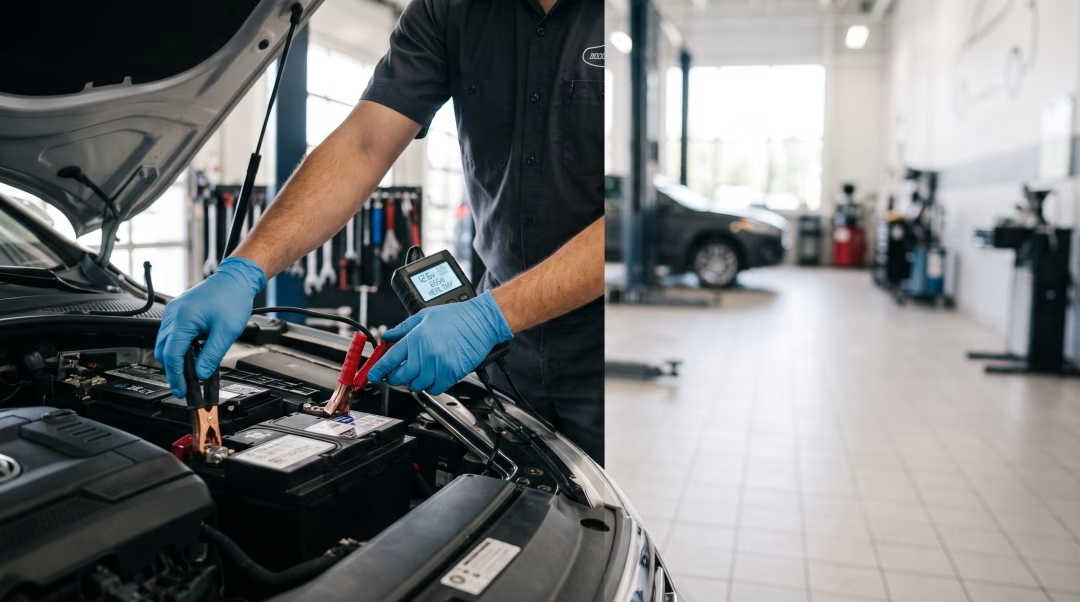
The Complete Guide to Car Battery Longevity in the Tar Heel State
A vehicle's battery is a critical component, responsible for providing the electrical jolt needed to start the engine and power all the onboard electronics, from your radio to your navigation system. While it is a simple component in theory, its lifespan is influenced by a complex interplay of factors, especially here in North Carolina. The general rule of thumb suggests a car battery will last between three and five years. However, this is just a baseline. For residents of Forsyth County and the surrounding areas, the actual lifespan can vary significantly due to our region's specific climate conditions and individual driving habits. Let’s explore what truly determines the life of your car battery and what you can do to maximize it.
How North Carolina’s Climate Impacts Your Battery
Climate is arguably the single most significant factor in a battery's premature decline, and North Carolina's weather patterns present a dual threat. Both the sweltering summer heat and the frigid winter temperatures can put immense strain on your vehicle's electrical system.
The Summer Heat Effect: Contrary to popular belief, hot weather is more damaging to a car battery than cold weather. The high temperatures common from June through September in places like Winston-Salem accelerate the chemical reactions inside the lead-acid battery. This increased activity speeds up internal corrosion and causes the water in the battery's electrolyte to evaporate more quickly. Over time, this degradation permanently reduces the battery's ability to hold a charge. A battery that has been weakened by a hot summer is often the one that fails when the first cold snap of winter arrives. The information on our how North Carolina summer heat affects your car page goes into even more detail about this topic.
The Winter Cold Challenge: While heat causes long-term damage, cold weather reveals it. Frigid temperatures thicken your engine's oil, making it harder for the engine to turn over. This demands more power from the battery at the exact moment its chemical processes are slowed by the cold, reducing its available power. A battery that was already weakened by the summer heat may not have enough cranking power left to start the engine on a frosty January morning in the Piedmont Triad. This is why battery failures seem to spike during the winter months, even though the root cause of the damage often began in the summer.
Common Warning Signs of a Failing Battery
Your car will usually give you clues that its battery is on its way out. Paying attention to these signs can help you address the issue before you are left stranded. If you notice any of these symptoms, it is a good idea to have your battery and charging system tested by a professional.
- Slow Engine Crank: If you notice the engine is turning over more slowly than usual when you start the car, it is a classic sign of a weak battery.
- Warning Lights: A battery-shaped warning light on your dashboard is an obvious indicator. Sometimes, a general check engine light can also be triggered by low voltage.
- Electrical Issues: Dimming headlights, especially when you start the car or use power windows, can signal a battery that is struggling to keep up with the electrical demand.
- Visible Corrosion: A white, ashy, or bluish substance on the metal battery terminals is a sign of corrosion, which can interfere with the electrical connection and should be cleaned.
- Swollen Case: If the battery case looks bloated or misshapen, it is a sign of severe damage from excessive heat and it should be replaced immediately.
- Age: If your battery is more than three years old, it is a good idea to have it tested annually, even if you are not experiencing any issues.
Driving Habits and Battery Life
How you use your vehicle also plays a crucial role. Your car's alternator recharges the battery while the engine is running. Frequent short trips, common for errands around town, do not give the alternator enough time to fully replenish the charge used to start the engine. This constant state of being undercharged can lead to sulfation, where lead sulfate crystals build up on the battery plates, reducing its capacity and eventually causing failure. Conversely, regular, longer drives of at least 20-30 minutes are ideal for keeping the battery fully charged and healthy. If you have a vehicle that sits unused for long periods, consider using a battery tender to maintain its charge.
Tips for Extending Your Battery’s Life
While you cannot control the North Carolina weather, you can take several steps to get the most out of your car battery:
- Keep it Clean: Periodically check the terminals for corrosion. If you see any buildup, you can clean it with a wire brush and a mixture of baking soda and water.
- Keep it Secure: Ensure the battery is tightly secured in its mounting bracket. Vibrations from driving can shorten a battery's life.
- Limit Power Use When Idle: Avoid running the radio, lights, or air conditioning for extended periods when the engine is not running.
- Park Smart: When possible, park your car in a garage or in the shade during hot summer months to protect the battery from extreme temperatures.
- Get Regular Tests: Our used car service center can perform a quick test to check your battery's health and the output of your alternator. This is especially important before the start of summer and winter.
If your battery does fail, it is essential to replace it with one that meets your vehicle’s specifications. Modern vehicles, especially those with features like auto start-stop technology, often require specific types of batteries, such as Absorbed Glass Mat (AGM) batteries. Installing the wrong type can lead to electrical problems and premature failure. When you need a car battery replacement, our expert technicians can help you choose the right one and install it correctly.
How often should I get my car battery tested in North Carolina?
Given our climate's extremes, it is a wise practice to have your battery tested at least once a year after it reaches the two-year mark. A good schedule is to have it checked during an oil change service before the peak of summer or the first cold spell of winter.
Can I replace my car battery myself?
While it is possible for those with mechanical experience, it can be tricky in modern cars. Many batteries are in difficult-to-reach locations, and some vehicles require the onboard computer system to be reset after a new battery is installed. For safety and proper function, we recommend having a professional service like ours handle the replacement.
Does the brand of car battery matter?
Yes, quality can vary between brands. Reputable brands often use higher-quality materials and manufacturing processes, leading to a longer, more reliable service life. While a premium battery may cost more upfront, it can be a better value in the long run. Our service team can recommend a quality brand that fits your vehicle and budget.
What does the "cold cranking amps" (CCA) rating mean?
Cold Cranking Amps (CCA) is a rating that measures a battery's ability to start an engine in cold temperatures. Specifically, it is the number of amps a 12-volt battery can deliver at 0°F for 30 seconds while maintaining a voltage of at least 7.2 volts. It is crucial to choose a battery that meets or exceeds the CCA requirements recommended by your vehicle's manufacturer.
Why does my battery die if I do not drive my car for a while?
Even when your car is turned off, there are systems that draw a small amount of power from the battery. This is known as parasitic drain and is used to maintain things like your clock, radio presets, and alarm system. Over several weeks or months, this slow drain can completely deplete the battery if the car is not driven to allow the alternator to recharge it.
