
Expert Belt and Hose
Replacement in Winston Salem, NC
Under the hood of your vehicle, a network of rubber belts and hoses performs critical functions, from keeping your engine cool to powering essential accessories like the alternator and power steering pump. Over time, the constant exposure to heat, vibration, and friction causes these components to degrade. Ignoring worn-out belts and hoses can lead to unexpected breakdowns and costly engine damage. Here in Winston Salem, where weather can range from hot summers to cool winters, this wear and tear can accelerate. Proactive inspection and replacement are key to your vehicle's reliability and your peace of mind on the road. Our expert service center offers comprehensive belt and hose replacement services, using high-quality parts to protect your investment and keep you moving safely. Trust our experienced technicians to meticulously inspect and service these vital components, helping you avoid trouble down the road.
Choosing the right team for your automotive service needs is crucial. Our certified technicians specialize in identifying and resolving issues with all types of vehicle belts and hoses. We pride ourselves on transparent communication and meticulous workmanship, from the initial inspection to the final quality check. By entrusting your vehicle to us for belt and hose replacement, you are choosing a commitment to quality and safety. Let us provide the professional care your car deserves. Schedule your service with our team in Winston Salem today.
Comprehensive Belt and Hose Services for Winston Salem Drivers
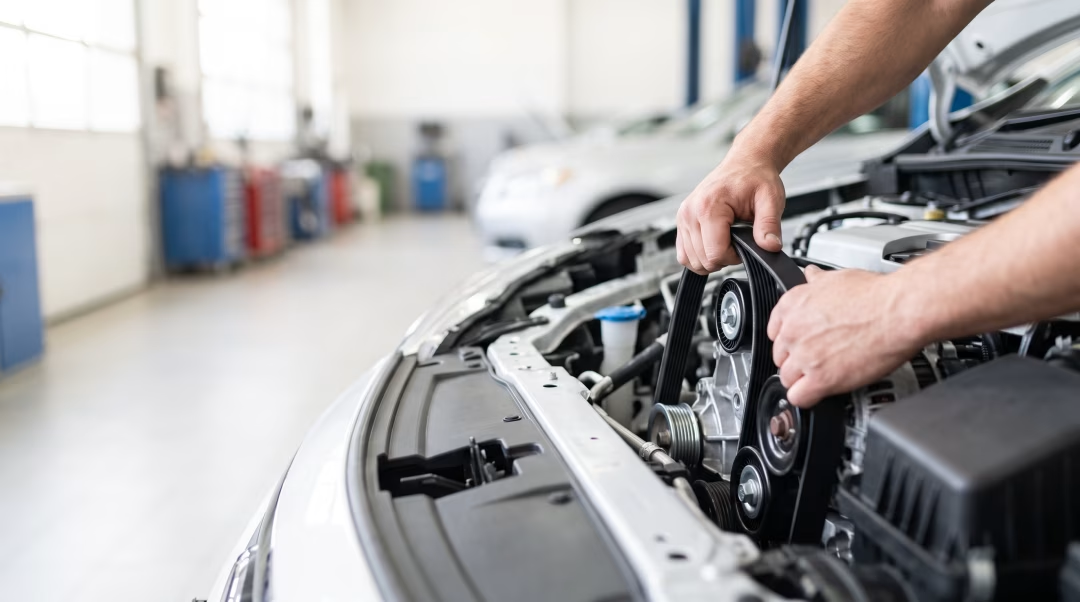
The belts and hoses in your engine bay are the unsung heroes of your vehicle's performance and dependability. While they may not be the most glamorous parts, their roles are absolutely essential. Belts are responsible for transferring mechanical power from the engine's crankshaft to run various systems, while hoses are the circulatory system, moving vital fluids like coolant, power steering fluid, and fuel exactly where they need to go. When one of these components fails, it can cause a chain reaction that affects multiple systems, potentially leaving you stranded on the side of Peters Creek Parkway or far from home. At our Winston Salem service center, we understand the critical nature of these parts and provide expert diagnostics and replacement to keep your car, truck, or SUV running smoothly.
Understanding Your Vehicle's Belts
Modern vehicles typically rely on two primary types of belts, each with a distinct and vital job. Recognizing the difference is key to understanding your vehicle's maintenance needs.
- The Serpentine Belt: Also known as the accessory drive belt, this is a long, snaking belt that powers multiple engine accessories at once. It provides power to the alternator (which charges the battery), the power steering pump, the water pump (which circulates coolant), and the air conditioning compressor. Because it does so much, a failing serpentine belt will give several warning signs, such as squealing noises, loss of power steering, or an overheating engine. A complete failure will cause your vehicle to stop running almost immediately.
- The Timing Belt: Not all cars have one (some use a timing chain), but for those that do, the timing belt is one of the most important components in the entire engine. This toothed belt synchronizes the rotation of the crankshaft and the camshafts, ensuring the engine's valves open and close at the correct times during each cylinder's intake and exhaust strokes. If a timing belt breaks, the engine will stop instantly. On an "interference" engine, this failure can cause the pistons to strike the valves, leading to catastrophic and often irreparable engine damage. Following the manufacturer's recommended replacement interval is not a suggestion, it's a necessity. You can learn more about when to replace a timing belt on a used car in our blog.
A Closer Look at Automotive Hoses
Hoses are the flexible conduits that manage the flow of high-pressure fluids throughout your vehicle. Made of reinforced rubber, they are designed to withstand extreme temperatures and pressures but will eventually become brittle, crack, or soften.
- Cooling System Hoses: The upper and lower radiator hoses are the largest hoses in your engine bay. They carry hot coolant from the engine to the radiator to be cooled and then return it to the engine. Heater hoses perform a similar function for your car's heating system. A leak in any of these can quickly lead to engine overheating. Timely cooling system repair is essential.
- Brake Hoses: These flexible hoses connect the rigid steel brake lines to the brake calipers at each wheel. They are designed to handle the immense hydraulic pressure needed to stop your vehicle. A leaking or damaged brake hose is a major safety hazard that requires immediate attention.
- Power Steering Hoses: These hoses transport high-pressure fluid from the power steering pump to the steering rack, making it easy for you to turn the wheel. A leak will result in a loss of power steering assistance and can damage the pump if the fluid runs low.
Warning Signs You Need Belt or Hose Replacement
Your vehicle will often provide clues that its belts or hoses need attention. Being aware of these signs can help you address a problem before it becomes a major failure. If you notice any of the following, it is time to schedule an inspection at our Winston Salem auto repair shop.
- A high-pitched squealing or chirping sound from the engine, especially on startup or when the AC is on.
- The engine temperature gauge rising higher than normal or an overheating warning light.
- Dimming headlights, a battery warning light, or other electrical issues.
- Difficulty steering or a whining noise when turning the wheel.
- Visible signs of wear, such as cracks, fraying, glazing (a shiny appearance), or missing ribs on belts.
- Hoses that appear swollen, bulging, cracked, or feel excessively soft or hard.
- Puddles of green, orange, or pink fluid (coolant) or reddish-brown fluid (power steering) under your vehicle.
Your Trusted Service Partner in the Piedmont Triad
When it comes to something as important as the reliability and safety of your vehicle, you need a service center you can trust. We are proud to serve drivers not only in Winston Salem but also in surrounding communities like Greensboro, High Point, and Kernersville. Our commitment to excellence is what sets us apart. Our technicians are highly trained and have the experience to service all makes and models, whether you drive a domestic truck, a reliable sedan, or a family-friendly SUV. We use quality replacement parts that meet or exceed manufacturer specifications to ensure a lasting repair. From a simple visual inspection to a full timing belt replacement job, we approach every task with professionalism and attention to detail. Learn more about us and our dedication to customer satisfaction.
Frequently Asked Questions About Belt and Hose Service
How often should I have my belts and hoses inspected?
It is a good practice to have your belts and hoses visually inspected during every oil change. A more thorough inspection should be performed at least once a year or every 15,000 miles. This allows our technicians to catch potential problems like cracking, fraying, or softening before they lead to a failure.
What is the difference between a serpentine belt and a timing belt?
A serpentine belt is visible on the outside of the engine and powers accessories like the alternator and AC compressor. A timing belt is located inside the engine behind a protective cover and is responsible for synchronizing critical engine components. Timing belt replacement is a much more involved and labor-intensive job.
Can I drive my car with a broken serpentine belt?
Driving with a broken serpentine belt is not recommended and, in most cases, not possible for more than a very short distance. Once the belt breaks, the water pump will stop circulating coolant, causing the engine to overheat rapidly. You will also lose power steering and the alternator will stop charging the battery.
How can I tell if a hose is about to fail?
Key warning signs for a failing hose include visible cracks, splits, or blisters on the surface. You should also check if the hose feels unusually hard and brittle or spongy and soft when you squeeze it (when the engine is cool). Any bulging or swelling near the connection points is a clear indicator that replacement is needed soon.
Does the weather in North Carolina affect my car's belts and hoses?
Yes, it can. The intense heat of a North Carolina summer can accelerate the degradation of rubber components, making them more prone to cracking and drying out. The cold snaps in winter can make older, brittle rubber more susceptible to snapping. Regular inspections are particularly important to account for these seasonal stresses.
